

Identity Theft Criminal Defense Lawyer in NYC
If you are facing allegations of identity theft, your freedom, reputation, and future are on the line. At Marwaha Law Group, PLLC, we are recognized as aggressive advocates for those accused of white-collar crimes and digital fraud. As a premier New York criminal defense firm, we understand that an identity theft charge—whether it involves fraudulent credit card use, account takeover, or digital impersonation—requires a sophisticated and relentless defense. Led by a former prosecutor, our team treats every client like family, ensuring you are never just another case number in the NYC justice system.
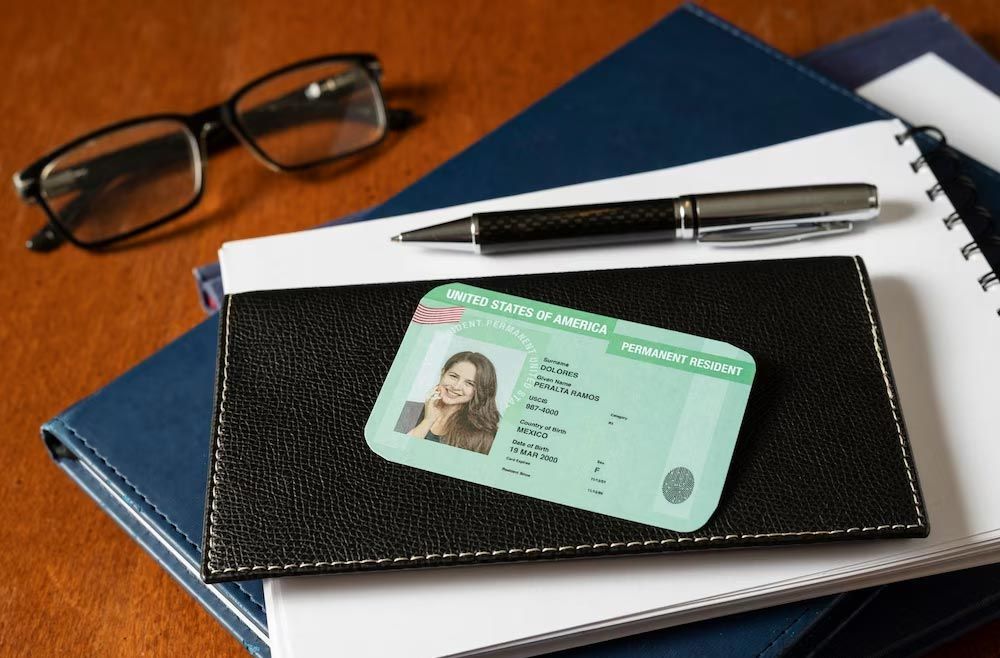
Secure Your Future with a Recognized Identity Theft Criminal Defense Attorney
The legal landscape surrounding identity theft is increasingly complex, especially with the rise of sophisticated cybercrime investigations. When you are under investigation or have already been arrested, you need more than just a lawyer; you need a defense team that is recognized for its cutting-edge approach to litigation. Marwaha Law Group, PLLC leverages 21st-century technology and high-tech case management to dismantle the prosecution’s evidence. We provide 24/7 availability because we know that legal emergencies don’t wait for business hours. From the moment you contact us, our priority is to protect your rights and keep you home with your loved ones.

Why Choose a Former Prosecutor for Your Identity Theft Defense?
Nipun Marwaha founded this firm after seeing firsthand how the government prioritizes convictions over the truth. This unique perspective allows our firm to anticipate the prosecution's tactics before they even make their first move. We are experts at identifying the "holes" in a government case—whether that involves illegal searches, lack of intent, or misidentified IP addresses.
- 24/7 Emergency Support: We are available around the clock to assist you at the precinct, in court, or during unannounced visits from detectives.
- Cutting-Edge Mock Trials: We utilize focus groups and mock trials to test our strategies, ensuring our arguments resonate with a jury before we ever step into the courtroom.
- Aggressive Advocacy: We are not afraid to take a case to trial. While many firms look for the quickest plea deal, we prepare every case for a win.
- Recognized Excellence: With a 9.3 Avvo rating and multiple "Super Lawyer Rising Star" honors, our firm is a trusted name in New York criminal defense.
Is identity theft a felony in NYC?
In New York, identity theft is a serious offense that is classified into three degrees, ranging from misdemeanors to high-level felonies. Identity Theft in the Third Degree is a Class A misdemeanor, but the charges quickly escalate to felonies if there is a prior conviction or if the financial impact is significant. Identity Theft in the Second Degree is a Class E felony, often triggered when the value of the theft exceeds $500. The most severe charge, Identity Theft in the First Degree, is a Class D felony. This charge is typically brought when the value involved exceeds $2,000 or when the act results in the commission of another Class D felony. A conviction for a Class D felony in New York can carry a prison sentence of up to seven years, making it imperative to retain an experienced criminal defense lawyer for identity theft immediately.
How to fight back against identity theft charges?
Fighting back against identity theft allegations requires a deep dive into forensic evidence and digital footprints. Our defense strategy often begins with challenging the "intent" behind the actions, as the prosecution must prove that the defendant intended to defraud another person. We also scrutinize the technical evidence, such as IP addresses, device metadata, and forensic computer data, to determine if the evidence was obtained legally or if the identity of the actual perpetrator has been mistaken. At Marwaha Law Group, PLLC, we conduct our own professional investigations, often using independent experts to reveal inconsistencies in the prosecution’s witness testimony or electronic evidence. By pinpointing these weaknesses early, we can fight for a dismissal or a significant reduction of charges.
How much does a criminal defense lawyer cost in New York?
Understanding the cost of a criminal defense attorney for identity theft is a common concern for many facing the daunting New York legal system. While fees can vary significantly based on the complexity of the case, the severity of the felony charges, and the volume of digital evidence to be reviewed, Marwaha Law Group, PLLC is committed to transparency and fairness. Unlike many high-volume NYC firms, we offer reasonable fees and flexible payment plans to ensure that high-quality legal representation is accessible. During your initial consultation, we provide a clear assessment of your case and discuss our fee structure openly, so you can feel confident in your choice of counsel without hidden financial surprises.

Identity Theft in the First Degree
A person is guilty of Identity Theft in the First Degree, Penal Law Section 190.80, when he or she:
- Knowingly and with intent to defraud another person
- Assumes the identify of another person by
- Presenting themselves as that other person
- Acting as that other person; or
- Using identifying information of another person; and
- Obtains money, good, property or services valued at more than $2,000; or
- Uses credit in the name of another person in excess of $2,000; or
- Causes financial loss to another person in excess of $2,000; or
- Commit or attempts to commit a class D felony or acts as an accessory to a class D felony; or
- Commits the crime of Identity Theft in the Second Degree, but has a conviction within the preceding 5 years for any degree of:
- Identity Theft;
- Grand Larceny;
- Unlawful Possession of Personal Identification; or
- Unlawful Possession of a Skimmer Device
Being arrested for a weapons offense can be a frightening and overwhelming experience. With the help of an experienced criminal defense attorney, you can fight the charges you face and protect your rights.
- 1 to 3 years in prison;
- Probation for 3, 4 or 5 years;
- A split sentence of up to 6 months in jail; or
- A straight conditional discharge
Identity Theft in the First Degree is a serious charge. Don’t try to manage it alone. Get the help you need right now.
Aggravated Identity Theft – Military Victims
Aggravated Identity Theft under Penal Law Section 190.80-a applies under a very limited set of circumstances:
- The victim is a member of the armed forces and is deployed outside of the United States; and
- The accused is aware both that the victim is member of the armed forces and that he or she is deployed outside the country.
Under these circumstances, acts that would otherwise be charged and punished as Identity Theft in the Second Degree are elevated to the seriousness of a First Degree charge.


Frequently Asked Questions
Unlawful Possession of Personal Information in New York
Unlawful Possession of Personal Information involves the knowing possession of personal information of another person with the intent to commit an Identity Theft crime. The degree is determined by the amount of personal information possession and the involvement of other parties. For purposes of this statute, personal information includes:
- Financial services account number or code;
- Savings account number or code;
- Checking account number or code;
- Brokerage account number or code;
- Credit or debit card account number or code;
- Automatic teller machine (ATM) number or code;
- Personal Identification Number;
- Mother’s maiden name;
- Computer system password;
- Electronic signature;
- Unique biometric fingerprint, voice print or retinal image data; or
- Iris image of another person
Unlawful Possession of Personal Identification Information in the Third Degree
Unlawful Possession of Personal Identification Information in the Third Degree, Penal Law Section 190.81, occurs when a person merely possesses any of the above-listed personal identification information with the intent to commit an Identity Theft-related crime.
This class A misdemeanor carries a maximum penalty of 1 year in jail or 2 or 3 years on probation. Even if the defendant has little or no criminal history, prosecutors are generally less likely to offer non-criminal plea bargains or ACDs in these cases.
The prosecution takes Identity Theft-related crimes seriously, and will generally be less likely to reduce charges in this type of case. Have a skilled negotiator who understands the criminal process on your side.
Unlawful Possession of Personal Identification Information in the Second Degree
Unlawful Possession of Personal Identification Information in the Second Degree, Penal Law Section 190.82, is charged when the defendant knowingly possesses at least 250 personal identification items.
As a class E felony, with a maximum sentence of up to 4 years in prison, assuming that the defendant has no prior felony convictions. However, the prosecution may agree or the judge may order that the defendant instead be sentenced to:
- 1 to 3 years of imprisonment
- Probation for 3, 4 or 5 years
- A split sentence of up to 6 months in jail and probation; or
- A straight conditional discharge
Unlawful Possession of Personal Identification Information in the First Degree
A person will be charged with Unlawful Possession of Personal Identification Information in the First Degree, Penal Law Section 190.83, if he or she commits Unlawful Possession of Personal Information in the Second Degree and:
- Supervises more than 3 accomplices in that process;
- Has been convicted in the preceding 5 years of any degree of
- Identity Theft
- Grand Larceny
- Unlawful Possession of Personal Identification Information; or
- Unlawful Possession of a Skimmer Device; or
- Supervises more than 2 accomplices and knowingly possesses the personal information of a member of the armed services he or she knows to be deployed outside the U.S.
Unlawful Possession of Personal Identification Information in the First Degree is a class D felony and is punishable by a maximum of 7 years in prison, assuming that the defendant has no prior felony convictions. However, the defendant may also be sentenced to:
- 1 to 3 years of imprisonment
- Probation for 3, 4 or 5 years
- A split sentence of up to 6 months in jail and probation; or
- A straight conditional discharge


Unlawful Possession of Personal Identification Information is a serious crime, but outcomes vary dramatically. Don’t gamble with your future.
Unlawful Possession of Skimmer Devices in New York
Skimmer devices are among the most commonly used tools for obtaining personal information. Skimmer devices are often found on ATM machines, sometimes even those inside financial institutions. These devices are used to obtain personal information from cards such as debit and credit cards.
Unlawful Possession of a Skimmer Device in the Second Degree, Penal Law Section 190.85, requires only that the person possess a skimmer device with the intent to use such device in the commission of Identity Theft or Unlawful Possession of Personal Identification Information in any degree.
Unlawful Possession of a Skimmer Device in the First Degree is charged when a person commits the Second Degree crime, but has been convicted within the previous 5 years of Identity Theft, Grand Larceny, or Unlawful Possession of Personal Identification in any degree. The First Degree offense is a class E felony.
If you’ve been charged with an Identity Theft-related crime, don’t delay. Get help right now.
Defending Against Complex Digital and Financial Fraud
Identity theft charges in the modern era often overlap with other serious allegations, including credit card fraud, insurance fraud, and federal computer crimes. Our firm is uniquely equipped to handle these multi-layered cases. We look at the totality of the circumstances: Was there a lack of knowledge? Was the evidence collected in violation of your constitutional rights? By focusing on these critical details, we build a defense designed to withstand the pressure of both state and federal prosecutors. Whether you are in Manhattan, Brooklyn, Queens, Long Island, or Westchester, our recognized experts are ready to stand by your side.
Contact Us for a FREE Consultation
Identity Theft - Form
Practice Areas
Testimonials
Client Name
September 28, 2020

- Michael
There is no words to describe Mr.Nipun ! His professionalism and his attentiveness for his clients is incredible! I hired him 2 years ago to resolve an issue, and hired him again this week for another problem and he was there the whole time throughout the process. He is a trustworthy Lawyer, Made me feel comfortable and explained everything in detail. He is one of the best lawyers I’ve met in New York! Highly Recommended.
Multiple Charges in Connection with Identity Theft
Though Identity Theft-related crimes are serious on their own, they are often charged in connection with other crimes. Some of the most common felony charges associated with Identity Theft in New York that have not been discussed herein include Possession of a Forged Instrument, Forgery and Criminal Possession of Stolen Property (CPSP).

DON'T DELAY, CONTACT OUR FIRM
Schedule an initial consultation to discuss your case right away.